Hope and Uncertainty in Kampala
Kampala, Uganda
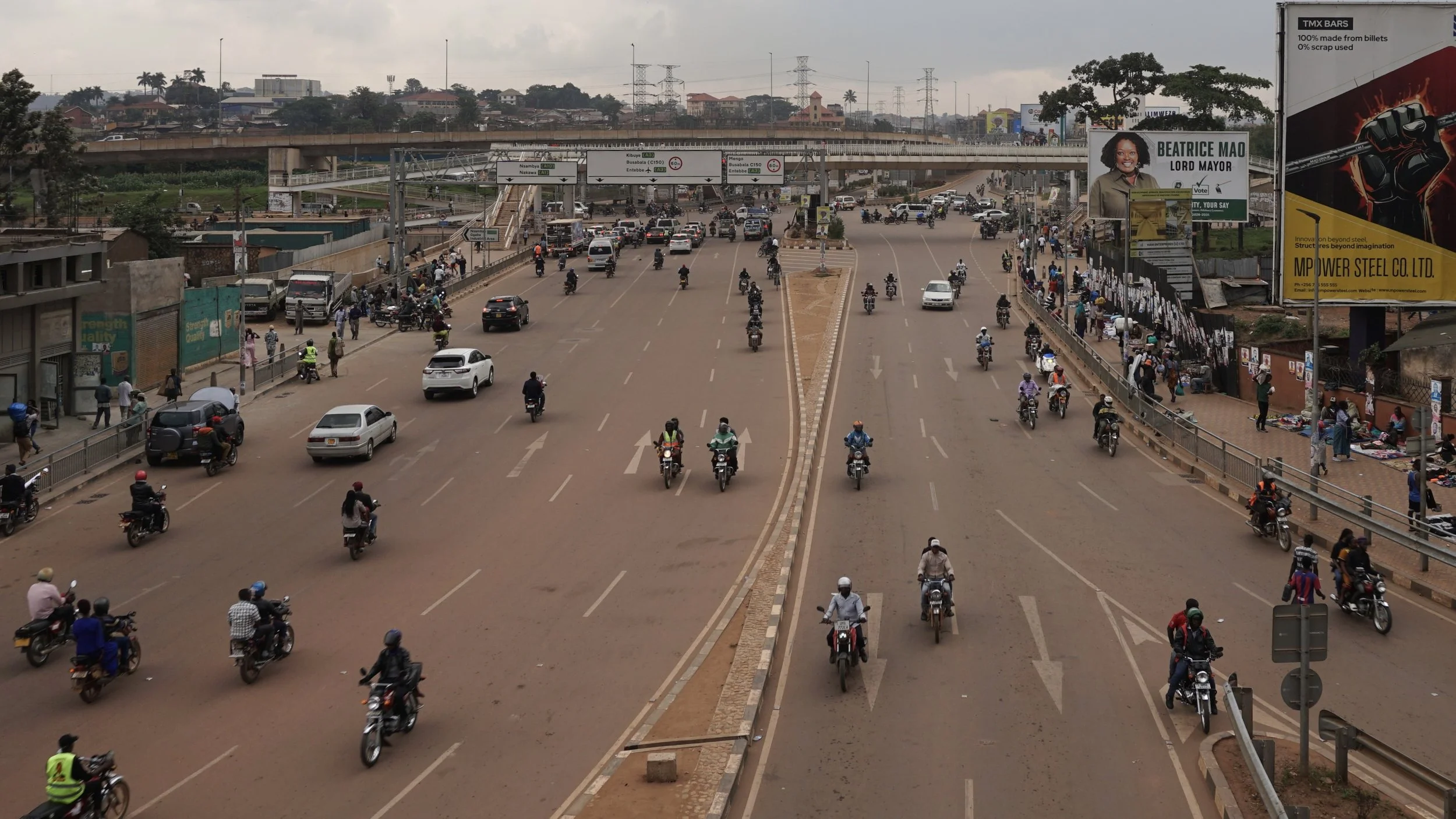
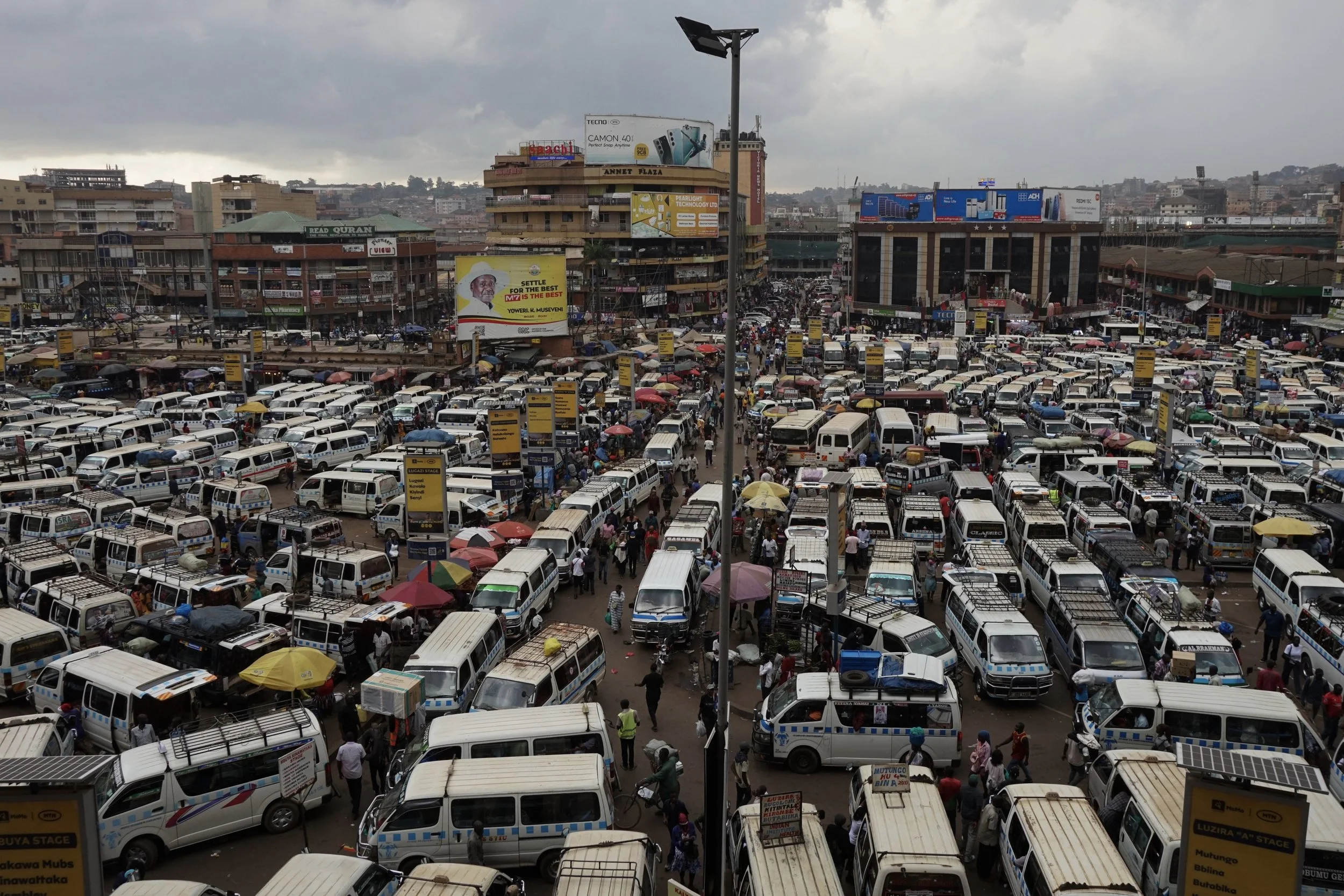
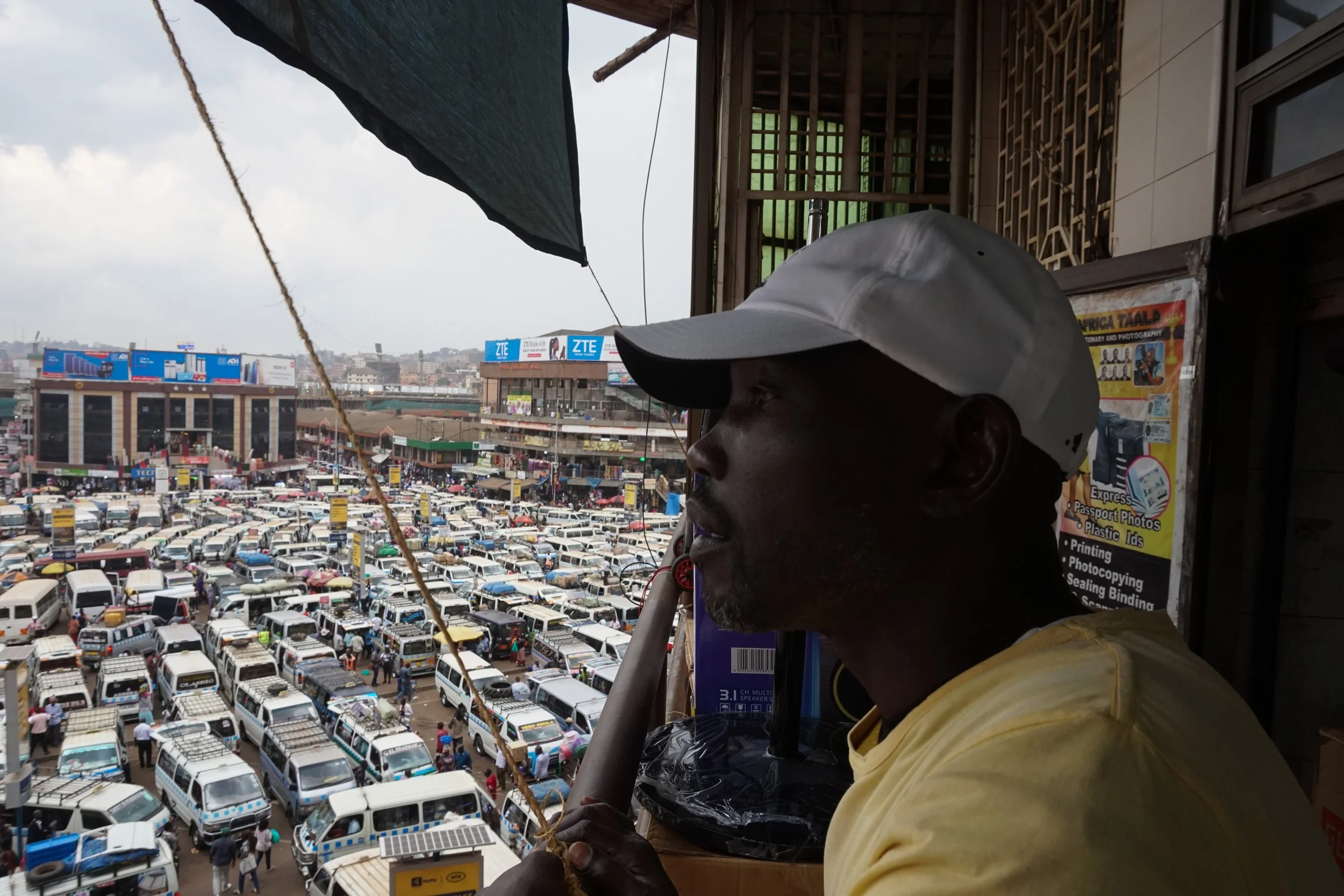
In January 2026, Kampala felt crowded, restless, and politically tense. Conversations with locals revealed limited job opportunities, quiet hopes for change, and a deep sense of uncertainty about the future.
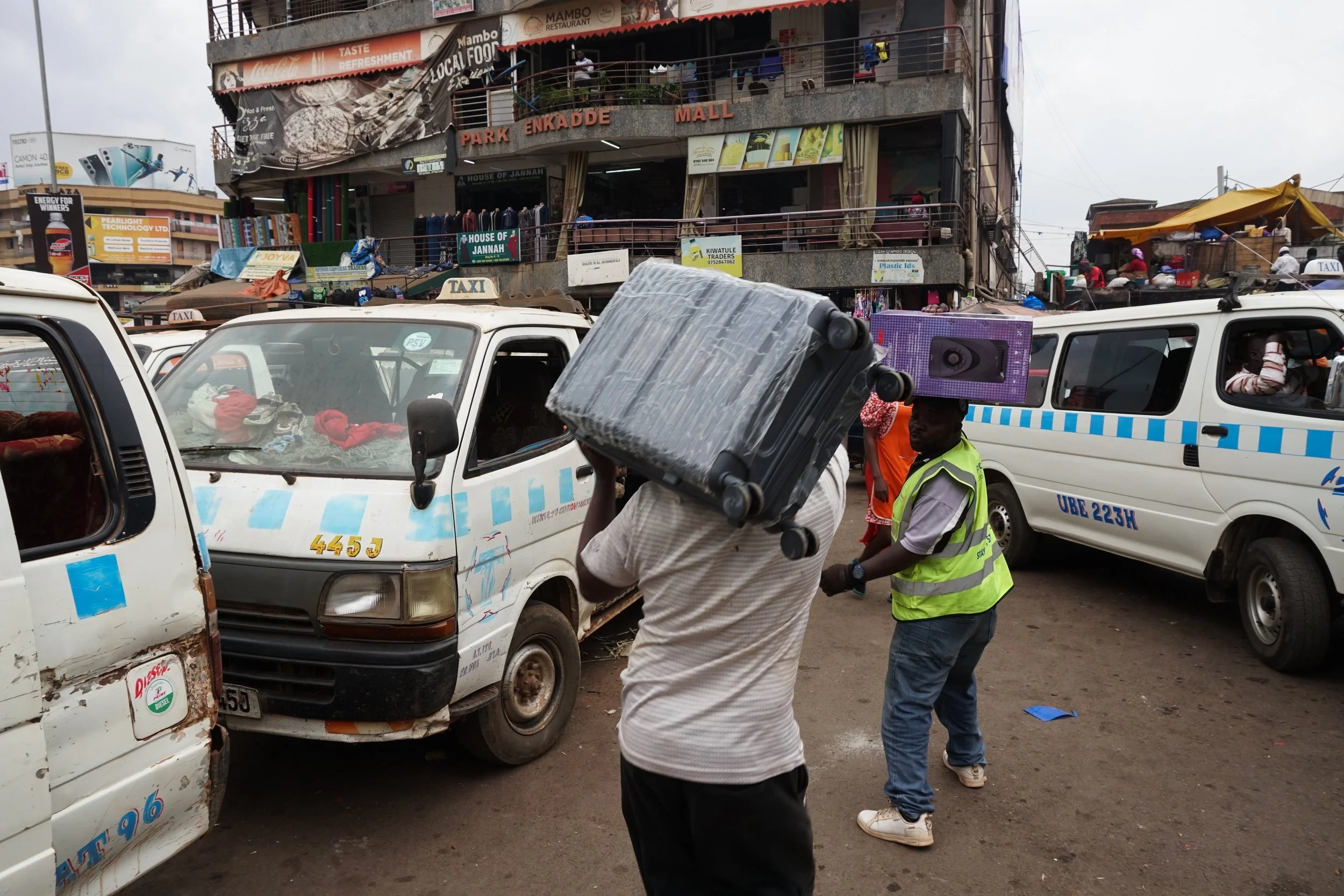
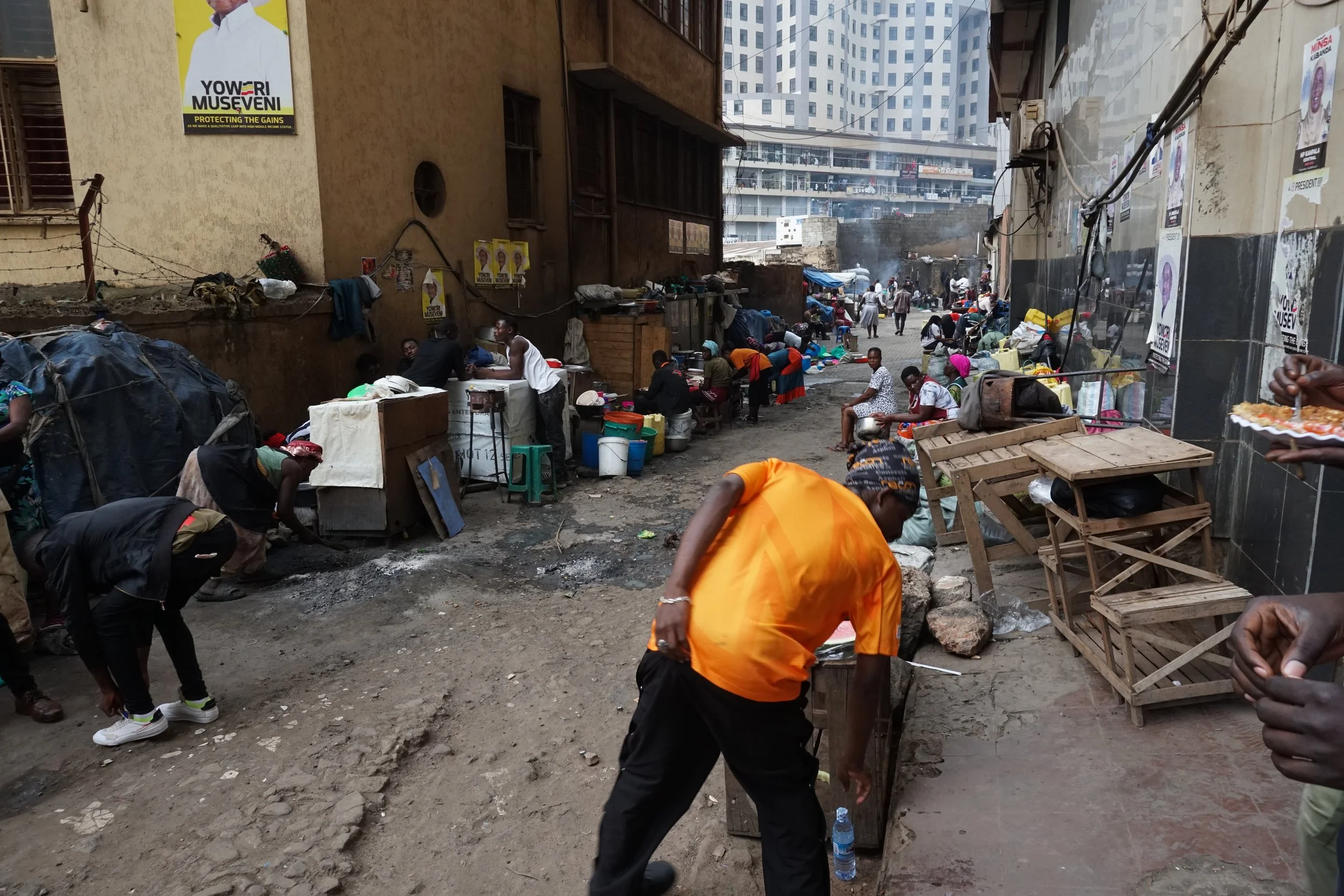
As boda boda motorcycles moved through traffic and vendors filled the streets, stable employment remained difficult to find. Many people relied on informal work, while others had stopped searching altogether.
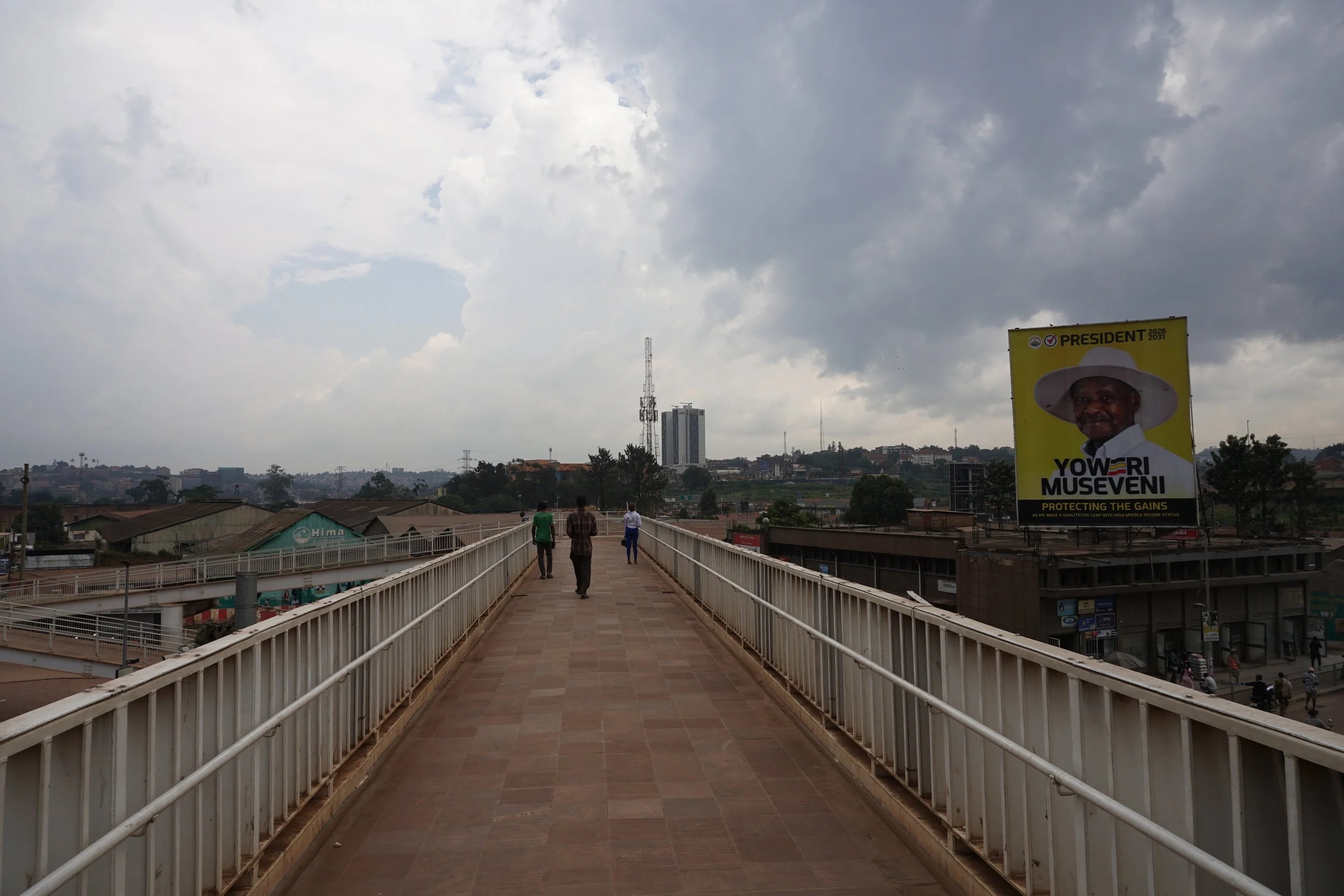
Uganda was in the middle of a tense election period. Security forces were on high alert, particularly toward journalists and anyone seen as opposing President Yoweri Museveni, who has ruled the country for nearly four decades.
Several people privately expressed support for opposition leader Bobi Wine, hoping for a different future. On election day, the government shut down internet access nationwide. When access was restored two days later, Museveni was declared the winner once again.
As I walked through Kampala, I was stopped by presidential security forces. They took me off the street into a small room, questioned and searched me, accusing me of spying on the government.
After thirty minutes of interrogation and threats of detention, I paid a small amount of money and was released with a warning: I no longer had permission to take photographs in Uganda.